

Health and First Aid for House Sitters
When it comes to First Aid for House Sitters, having a reliable first aid kit and knowing how to handle medical situations can be an absolute game-changer. Nigel and I, as hikers, are no strangers to the idea of “fixing ourselves up” in remote or unexpected situations. In fact, this concept is so close to my heart that I even wrote a book about it—Health, Safety, and Hygiene on the Trail.
House sitting might not seem as rugged as hiking the backcountry, but it comes with its own unique challenges—frequent changes of location, navigating new countries, staying in remote countryside homes, or relying on public transport. These variables can throw curveballs when it comes to managing your health.
Take, for example, the time I arrived at a sprawling estate in the UK countryside, only to be hit with a nasty infection (UTI) late on a Friday night. Hospital accident and emergency services in the UK are freely available, but actually getting to see a GP? That’s another story, especially on a weekend. Luckily, I always travel with a course of broad-spectrum antibiotics and was able to treat myself quickly—an absolute lifesaver in that situation.
Whether it’s a minor scrape from playing fetch with an energetic pup or something more serious like a stomach bug in a rural location, being prepared makes all the difference—not just for you, but for the pets and homes you’re caring for.
This post is all about making sure you’re ready for the unexpected. From what to pack in your first aid kit to navigating healthcare systems in foreign countries, we’ll cover it all. After all, when you’re looking after someone else’s home—and their cherished pets—staying safe and healthy is not just important; it’s essential.
Let’s dive in and get you prepared for whatever might come your way!

This article may contain affiliate links. If you make a purchase using one of these links, we may receive compensation at no extra cost to you. See our Disclosure Policy for more information.
Do House Sitters Need a First Aid Kit?
Let’s face it—life is unpredictable, and house sitting is no exception. From minor scrapes while gardening to allergic reactions, having a basic first aid kit on hand can make all the difference. When you’re caring for someone else’s home and their beloved pets, being prepared isn’t just practical—it’s part of the responsibility.
While many house sitting platforms, like TrustedHousesitters, require homeowners provide a first aid kit, relying on what someone else might have is never a good idea. What one person considers a first aid kit can vary greatly—they might only have band-aids or outdated over-the-counter medications. By carrying your own kit, you ensure that you have exactly what you need when you need it.
My first aid kit is carefully curated—everything you need and nothing you don’t. Lightweight and compact, it fits perfectly into your luggage, a must when traveling light between sits. Plus, it’s small enough to slip into a backpack for those longer dog walks, something Nigel talks about in his post on successful dog sitting.
And then there’s the importance of being prepared for long-term or international sits. When you’re far from home, access to pharmacies, familiar brands, or even doctors can be unpredictable. Having a reliable first aid kit can save you time, stress, and the frustration of trying to navigate medical care in a foreign language.
So, do house sitters need a first aid kit? Absolutely! Having a well-stocked kit is a vital part of being prepared and responsible as a sitter. Let’s check out what is in mine.
Building the Ultimate Travel First Aid Kit
Creating a first aid kit that’s compact yet comprehensive is about striking the perfect balance between being prepared for the unexpected and keeping things lightweight and practical for your travels.
Following is an overview of what you will need. For a complete list and explanation of each item, please head to our Complete First Aid Kit for House Sitters and Nomads (with Explanations)
First Aid Kit Core Essentials
Start with the basics: various bandages (including bandaids, butterfly closures, elastic bandages) antiseptic wipes or solution, adhesive tape, tweezers, and a small pair of scissors. Add sterile gauze pads (or island bandages), blister plasters, and gloves to handle minor injuries or more significant cuts. These items cover most everyday situations, from minor scrapes to addressing deeper cuts, sprains, or even stabilising a fracture with a splint.

Medications
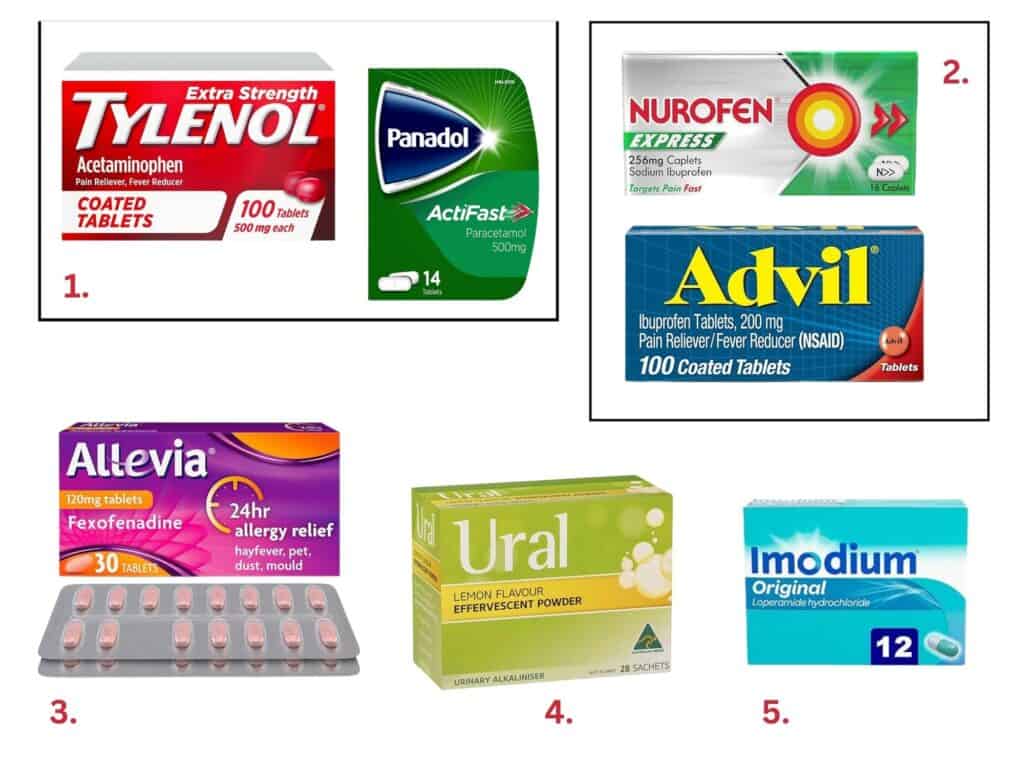
Include a selection of over-the-counter medications, such as pain relievers paracetamol (for fever) and ibuprofen (for inflammation), antihistamines for allergies, and anti-diarrhoea tablets such as Imodium. If you’re prone to urinary tract infections, pack some Urals. Don’t forget to bring any prescription medications you require, ensuring you have enough for the duration of your travels—and perhaps a little extra, just in case.
New Course Available Now!
Your Essential Foundation for House Sitting Success
Learn how to build standout profiles, write persuasive applications, and confidently manage every stage of the sit—from first contact to five-star reviews.
🔑 Practical tools to help you get chosen more often and build lasting trust with homeowners.
Additional First Aid Items for Travel
When house sitting involves international travel or rural locations, think about adding motion sickness tablets, water purification tablets, and electrolyte powders to your kit. These can be invaluable when facing unexpected travel delays, questionable water sources, or the effects of a long-haul journey.
Tips for Lightweight First Aid Kits
The key to building a travel-friendly first aid kit is knowing what’s essential without overpacking. All of the above should be able to be contained in a 1 litre soft shell waterproof bag – such as this sea to summit first aid dry bag.
To put sizing into perspective, a 1 litre bag has the same volume as a 32 fl oz container of juice, stock, or dairy—commonly found in supermarkets. While it might sound small, it’s more than enough space to contain everything you need if packed smartly.
- Start by removing excess and redundant packaging. Outer boxes for bandages, countertop medications, tweezers, and scissors are unnecessary bulk. Place medications in a ziplock bag and label it with the medication names and expiry dates. For blister pack medications, the brand name is always printed on the underside, so you won’t lose critical information. If you’re carrying medications in bottles, transfer them to a smaller ziplock bag and label them clearly. Always write the expiry date on the zip-lock bag.
- Group sterile items together in a new, clean ziplock bag—this includes nitrile gloves, butterfly closures, and island dressings. This keeps them clean, organised, and easy to access in an emergency.
- Leave the inner packaging of bandages intact to maintain sterility and ensure they’re ready to use when you need them most.
By carefully organising and repacking your supplies, you’ll have a compact, efficient kit that’s lightweight and travel-ready.
The Importance of Taking a First Aid Course
When it comes to First Aid for House Sitters, having a first aid kit is one thing, but knowing what to do with it is another. I’ve mentioned a few things that many readers might have to look up—butterfly closures? Island dressings? And what on earth are gloves for? And you mention Paracetamol (Tylenol) and Ibuprofen—what’s the difference?
Completing a first aid course in Australia is quite common. In fact, my mother had a certificate at one stage. I know both of my daughters (19 & 21) have theirs. As part of Australian labour laws, at least one person in every workplace needs to have a current first aid certificate. As well, many industries which involve any form of people care, require every employee to be certified.
Even if your house sitting career is only a few weeks or very spasmodic, travelling will always test your health in a number of ways. Knowing how to keep well and fit, alongside being able to patch yourself up when the proverbial dirt hits the fan is key.
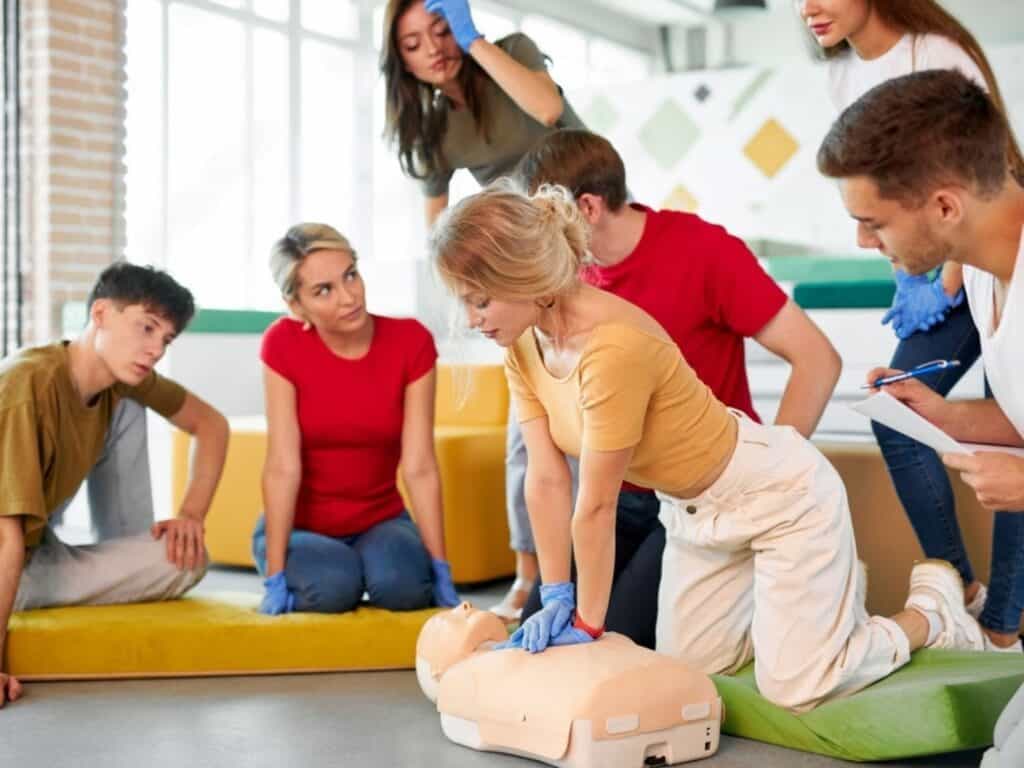
The good news? A first aid course doesn’t have to be a big commitment. Many can be completed online, and in-person options are often just a single day. Global organisations like the Red Cross offer accessible training, and for those in Commonwealth countries, St John Ambulance has been teaching first aid since 1887. These courses are designed to empower you, ensuring you can handle whatever comes your way.
So, if you’ve been putting it off, let this be your nudge to sign up. It’s a small investment of time for peace of mind that lasts a lifetime.

Free Download
Emergency Essentials Template for House Sitters
Emergencies don’t wait. This fridge-friendly, fillable form keeps critical contacts and instructions in one calm, accessible place.
Designed for Real-world Sits—Print or Fill it in Digitally.
Pet First Aid
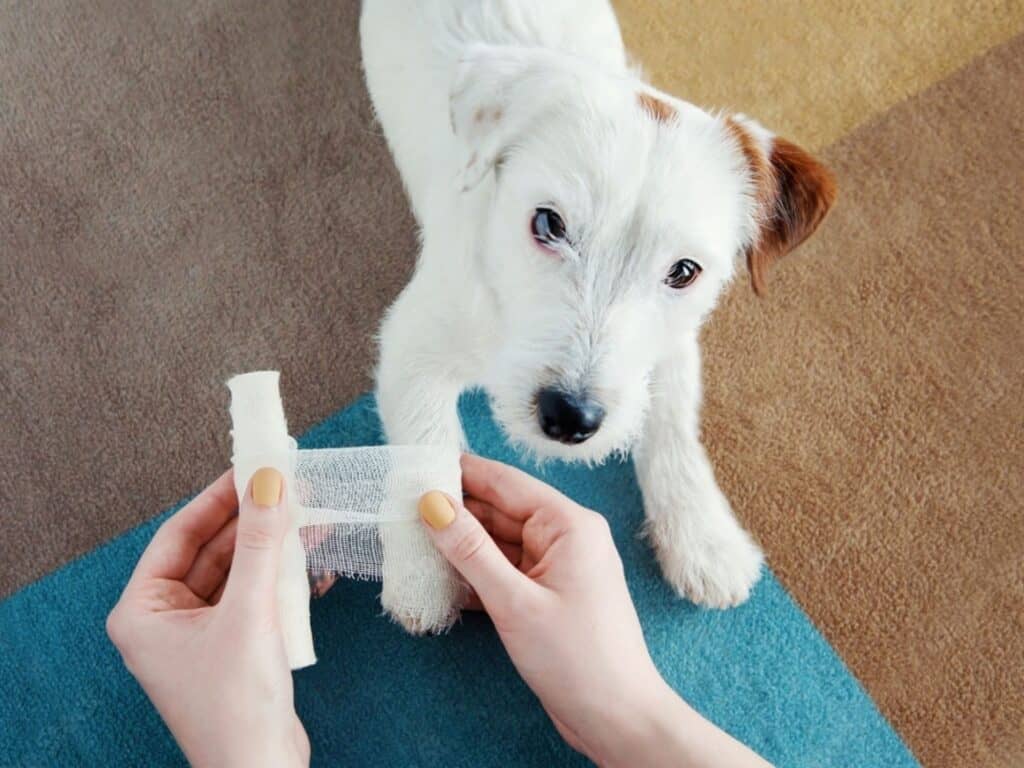
While house sitters are not responsible for providing first aid items for pets, having basic knowledge of pet first aid can give you a significant edge when applying for sits. Homeowners will appreciate knowing their furry family members are in capable hands, especially in unexpected situations.
Understanding how to handle minor injuries—like cleaning a small wound or safely removing a tick—or stabilising a pet in an emergency until a vet can take over is invaluable. It demonstrates not only your care and competence but also your ability to remain calm under pressure.
While not required, you can consider taking an online pet first aid course through organisations like the Red Cross or Animal Love. Many local veterinary clinics offer in person training as well. Mentioning these skills in your application is a great reassurance to homeowners that you’re prepared for whatever may arise.
Seeking Medical Care Abroad or Interstate
No one likes to think about needing medical care while away from home, but it’s a reality all house sitters should prepare for. Whether it’s a minor ailment or something more serious, being informed and proactive can save you stress, time, and possibly a lot of money.
Having travelled a lot – especially with my children when they were young, I’ve learned to access medical in many different countries and at different levels. It all comes down to planning, having the correct insurance, understanding reciprocal health agreements, and above all having patience. You might also land a surprise such as free prescriptions throughout Scotland!
Research Before You Go
Before arriving at your house sit, research the local area and pinpoint nearby clinics, hospitals, and pharmacies. Make a note of their contact details and operating hours. Knowing whether the nearest medical facility is a quick drive or a longer trip can make all the difference in an emergency. If your sit is rural or remote, understand how far away help really is and if any local transport options are available for such situations.
While we recommend that homeowners include this information in their Sitters Guide, it’s ultimately your responsibility to ensure you’re prepared. A little effort upfront can save a lot of stress later.
Travel Insurance
As frequent travellers and hikers often travelling to remote locations, Nigel and I take out a Global Rescue policy which covers us for field rescue from remote areas to our nearest medical facility as well as repatriation to the country of our choice. There are no activity restrictions, which is perfect for our type of travel. As well Global Rescue has an amazing support team that will work with you and your medical, advising and helping translate – whether that be a doctor, dentist, pharmacist or hospital.
Travel insurance is non-negotiable for house sitters, especially when heading abroad. Look for a policy that covers medical emergencies, including hospital stays, repatriation, and pre-existing conditions (if applicable). When comparing policies, ensure they’re tailored to your needs as a house sitter—long stays or multiple locations might require more specialised coverage.

We are a Global Rescue Travel Partner
Global Rescue is an industry leader, providing field rescue from remote areas, right through to medical transport to your home or hospital of choice. With No Activity Restrictions.
Communication Barriers
If you’re house sitting in a country where you don’t speak the language, communication can be a challenge. Apps like Google Translate or specific medical translation apps can help explain symptoms to local doctors or pharmacists. It’s also worth learning a few key phrases related to medical care in the local language, such as “I need a doctor” or “Is there a pharmacy nearby?” Having these tools handy can make navigating an already stressful situation much easier.
Navigating Healthcare Systems in Different Countries
Travelling as a house sitter means you may find yourself in unfamiliar healthcare systems, and knowing how to navigate them can make all the difference in an emergency or unexpected illness. Here’s what you need to know:
Understanding Local Systems: Public vs. Private Healthcare Options
Different countries offer varying levels of public and private healthcare, and it’s important to understand what’s available. In places like the UK, you may have access to the National Health Service (NHS) for urgent care.
Meanwhile, in countries like the United States, healthcare is largely private, and costs can escalate quickly without insurance. Researching the healthcare system of your destination before you arrive can prepare you for any situation.
Many public hospitals in Europe and Oceania provide excellent care, but private clinics often have shorter waiting times—albeit at a higher cost. It’s important to check with your insurance provider beforehand to determine whether private hospitals or care are covered, especially if the public system is available.

Payment Considerations
Cash Payments, Insurance Claims, or Health Cards?
Healthcare payments can differ significantly. While cash payments are common in some developing nations, others will require proof of insurance or health cards.
For house sitters in Europe, carrying an EHIC (European Health Insurance Card) or GHIC (Global Health Insurance Card) can provide access to public healthcare at reduced or no cost.
In countries without reciprocal agreements, ensure you have comprehensive travel insurance to cover hospital care and avoid surprise expenses. Always keep a credit card, emergency cash, and insurance details handy for any medical situation.


Reciprocal Healthcare Agreements
As an Australian with an Australian Medicare Card, we’re entitled to varying levels of healthcare in 11 different countries. Some benefits even exceed what we receive back home.
Imagine my surprise when, during a house sit in Scotland, I visited a doctor and asked about prescription costs—only to be told they were completely free! Needless to say, Nigel and I already have plans to return to Scotland for more house sits.
Before you travel, it’s worth checking your country’s reciprocal healthcare agreements. Government websites like Medicare (Australia) or the NHS (UK) usually provide up-to-date details.
These agreements generally cover frontline care, such as emergency treatment, but in some countries, they can also include emergency dental care. Knowing what’s covered ahead of time can save you unexpected costs and stress if you need medical care during your sit.


Cultural Sensitivities
Navigating healthcare systems isn’t just about paperwork and payments—it’s also about understanding local cultural norms. In some regions, gender roles or privacy customs may impact interactions with healthcare providers.
For example, in conservative areas, female travellers may prefer female doctors. In countries where English is not widely spoken, carrying a phrasebook or translation app can help you describe symptoms or understand medical advice. Always approach these situations with patience, respect, and adaptability.
By planning ahead, understanding how healthcare works in different countries, and being culturally aware, you’ll be prepared for anything—ensuring both your health and peace of mind while house sitting abroad.
Staying Proactive About Your Health
When it comes to house sitting and traveling, staying proactive about your health is important in avoiding unnecessary hiccups.
Keeping to a schedule is one of the hardest things to do when travelling – and even hard when you are spending a couple of weeks at each house sit destination. Daily dog walking is a great way to stay in shape, but sometimes you need that extra push – which is why I use an exercise app. Choose an exercise app with a wide variety of classes, from stretches and yoga to keep you supple to strengthening and cardio.
Nutrition is also very important. Nigel and I take B12, Zinc, and Vitamin D every day in drop format as the apportion rate is higher.
Vaccinations
Before heading off on any international house sit, make sure your vaccinations are up to date. Some countries require specific vaccinations, such as Yellow Fever, for entry, while others recommend shots like Hepatitis A/B or Typhoid, depending on the region.
We make sure that we are up to date with our tetanus vacinations – walking or hiking in the country can end in cuts and scrapes if you are not careful.
A quick visit to a travel doctor or your local GP can help ensure you’re protected. Don’t forget to carry your vaccination records—many countries may ask for them at border crossings.
Preventing Illness
Staying well is often about the little things. Keeping up adequate nutrition, opting for house sits with longer sit time, and keeping up your exercise can all help.
Drink safe, clean water if you are in a developing country. While bottled water does the job, it also adds to the plastic bottle pollution – regardless of your thoughts on recycling. Nigel and I carry a gravity water filter when we hike, and have ended up using it on many occasion when house sitting. The Katadyn Be Free is one of the premier makes of water filters and neither of us has ever been sick off drinking contaminated water. If you feel a 3L is too much, Katadyn make a great 1L portable version that you can drink out of as well.
An alternative version to water filters are Aquatabs – which sterilise the water. Use a tab 30 minutes prior to drinking and your’e good to go!
One of the best things you can do when travelling is to wash your hands regularly and use hand sanitiser for those moments when soap and water aren’t available. Hand sanitiser works by killing germs on the skin, primarily through its high alcohol content, which disrupts the protective membranes of bacteria and viruses, rendering them inactive. So choose an alcohol based hand sanitiser for better results.
Most importantly, prioritise rest. Exhaustion can quickly weaken your immune system, making you more susceptible to illnesses. This can be compacted after a day or two of public transport (yes airplanes are public transport) and time zone changes.

New Course Available Now!
Booked Solid! Your Blueprint to a Winning House Sitter Profile
Learn proven strategies to craft a profile that gets noticed, builds trust, and makes homeowners eager to choose you. Whether you’re new to house sitting or looking to boost your booking rate, this course will give you the tools to stand out and get chosen—every time!
Self-Care While House Sitting
Managing stress is often overlooked when travelling, but it’s essential. House sitting comes with its own pressures—caring for pets, adjusting to new homes, and keeping on top of travel plans.
Nigel and I always ensure we carve out time for ourselves. A walk with the dog, a morning stretch routine, or even journaling can go a long way in helping you feel grounded. Maintaining physical activity is just as important—whether it’s a short hike, exploring a new neighbourhood on foot, or doing bodyweight exercises indoors.
I’m a lark – meaning 5am is my happy time. I’m often found up bright and early taking in some solitude and letting the sunlight kick start my circadian rhythms.
Emergency Plans
While it’s not something we like to dwell on, having a solid emergency plan is vital. Share your itinerary, key contacts, and accommodation details with loved ones back home, so someone always knows where you are.
It’s also wise to save local emergency numbers, including doctors, hospitals, and veterinarians if you’re caring for pets. Apps like Google Maps allow you to pin nearby clinics or pharmacies, which can be a lifesaver in a pinch.
I have a written card in my bag (and if hiking my first aid kit), with my emergency contact numbers. Even if I fall and injure myself when away from Nigel, I ensure that he is the first point of contact should something go wrong.
Why First Aid for House Sitters Matters
First aid for house sitters is one of those things you don’t think about—until you need it. A minor scrape from gardening, a sudden stomach bug, or a pet that needs a little TLC can happen when you least expect it. Having a reliable first aid kit and a basic plan gives you the confidence to tackle these surprises without panic.
It’s not just about being prepared for yourself; it’s about showing homeowners that you’re ready for anything while taking care of their home and beloved pets. A bit of planning and self-care goes a long way in making house sitting stress-free. When you’re equipped and confident, you can enjoy the experience fully, no matter what comes your way.


