
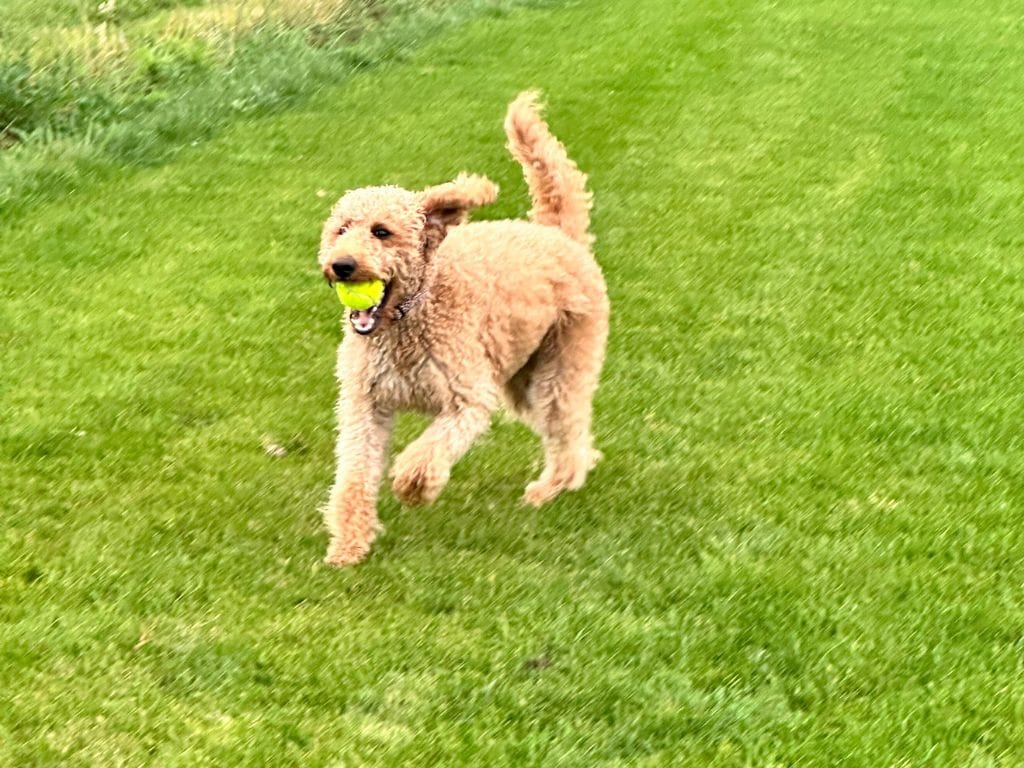
10 Keys to a Successful Dog Sitting Experience
I love dog sitting as it combines my love of the outdoors with my love of animals, and the natural human need to care for something. To ensure successful dog sitting, it’s essential to combine various attributes, including communication, empathy, and attentiveness.
As a dog sitter, you carry a great responsibility to both the dog(s) and the owner. You’re entrusted with not just the care of someone’s pet, but also with maintaining their trust and ensuring the well-being of their beloved animal.
To build a strong, respectful relationship with both the pet and the owner, there are 10 key principles to follow. These principles go beyond simply feeding, walking, or playing with the dog. They touch on how you communicate, how you listen, and how you respond to the animal’s needs.
Here’s 10 key tips for making your dog sitting adventure a success!

This article may contain affiliate links. If you make a purchase using one of these links, we may receive compensation at no extra cost to you. See our Disclosure Policy for more information.
1. Listen to the Owner
Effective communication starts with listening. The initial meet and greet and/or handover are critical to a successful dog sit (or house sit for that matter!). One of the most important things you can do as a dog sitter is to carefully listen to the owner’s instructions.
And, if you have the chance, join them for a pet exercise session. This not only shows your commitment but also gives you the opportunity to observe how the dog behaves during walks, playtime, or training.
If you can’t make the handover, ask as many questions beforehand! Inquire about the dog’s favourite activities, food preferences, and any quirks or behaviours that might need extra attention.
Behaviours such as chewing personal items, barking at next door neighbours, or being reactive to other dogs when on a lead, will enable you to prepare proper for the sit – eg making sure personal items are out of reach, having an understanding when the dog barks as to why and taking preventative measures – or planning alternative routes where dogs are allowed off-lead.
2. Follow the Owner’s Guidance
Each dog is unique, and following the owner’s guidance is a cornerstone of successful dog sitting. If the owner has given specific guidance—whether it’s a particular route for walks or behavioural strategies—make sure to follow it. This might include sharing maps, specific walking routes, or other details that help maintain the dog’s routine.
I track my walks using the AllTrails App and often post to the Owner a copy of the route walked along with any photos taken on that day. This has proven to be very popular with the owners and builds on the trust you have been shown to care for their beloved pet and also demonstrates your commitment to the dog’s well-being.
3. Respect the Dog’s Behaviour
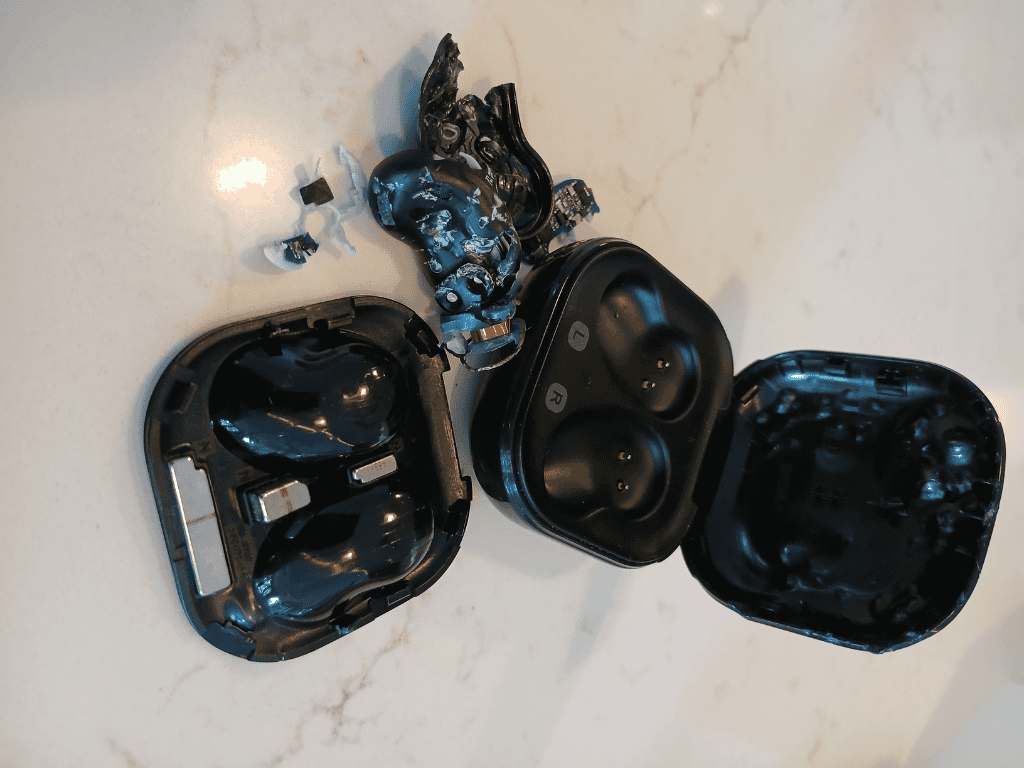
Every dog has its own personality, and understanding these traits is critical to a successful dog-sitting experience. If the dog has a habit of chewing shoes, for example, take preventative steps to protect your own belongings. Don’t leave personal items, like earbuds or shoes, lying around. See my photo of my earbuds I didn’t look after well enough!
4. Understand the Dog’s Limitations
Before heading out on any adventure, understanding the dog’s limitations is vital to successful dog sitting. Some dogs might not be comfortable with public transport, while others may love the excitement. Ask the owner if the dog can travel by bus or train, and plan accordingly. Always consider the dog’s comfort and safety when deciding on outings, and never push them into unfamiliar situations unless you’re certain they can handle it.
Also know the limited for walking, always keeping in mind the age and condition of the dog. For longer walks see the bullet point below.
5. Be Prepared for Longer Walks
Longer walks can be a great way for dogs to burn off energy and enjoy the outdoors. I always follow best-practice by being prepared. Before I head out, I make sure to bring essential items like treats to reward the dog for good behaviour, and a full water bottle to keep them hydrated throughout the walk. I own, and always carry, a collapsible water bowl as it’s lightweight and easy to carry and ensures I can offer the dog a drink wherever I go.
On these walks it important to know the signs of fatigue. Just like humans, dogs can get tired during longer walks, especially in hot weather or if they’re not accustomed to extended exercise. Keep an eye out for signs like excessive panting, slowing down, or a lack of enthusiasm. If the dog starts lagging behind or seems disoriented, it’s crucial to stop and let them rest. Offering water during breaks and giving them some time to recover can help prevent exhaustion or heatstroke.
By staying prepared and watching for these fatigue signals, you ensure the dog’s well-being while on a long walk. This shows the owner that you are not only responsible but attentive to the dog’s needs, helping to create a safe and enjoyable experience for the pet.
6. Maintain Consistent Communication
Open and consistent communication is vital to building trust, which is essential for successful dog sitting. Regular updates on the dog’s behaviour, activities, and well-being will reassure the owner that their pet is in good hands.
We always share details like how the dog is adjusting, any challenges we’re facing, and fun moments we’ve shared together. We do this through the group chat we always set up immediately after the sit is confirmed.
This constant communication not only strengthens the relationship but also ensures the owner feels comfortable and informed during their time away. Promptly address any concerns or questions they may have, ensuring their peace of mind throughout the dog sitting experience.
7. Taking the Dog on Public Transport?
When dog sitting, it’s important to know whether the dog is comfortable and permitted to travel on public transport. This information can be important if your plans include outings further afield or if you need to transport the dog in case of emergencies.
Start by asking the owner about the dog’s prior experience with buses, trains, or trams. Some dogs are confident travellers, while others might find the noise, crowds, and unfamiliar environment overwhelming.
Additionally, check the local regulations regarding dogs on public transport. Some areas require dogs to be leashed or muzzled, while others may only allow small dogs in carriers. Make sure you understand and follow these rules to avoid fines or stressful situations.
If the dog hasn’t been on public transport before, discuss the possibility of a short trial trip with the owner. This can help gauge the dog’s comfort level and identify any potential issues.
To abide by local by-laws, always ensure they’re leashed or in a well-ventilated carrier. Lastly, always be prepared with essentials like poop bags, water, and treats to make the journey smooth and enjoyable. Knowing whether the dog can travel on public transport—and being ready for it—will help ensure a seamless and stress-free dog-sitting experience.
Animals can find public transport overwhelming due to unfamiliar sounds, movement, and crowds. Their behaviour varies—some may remain calm, while others become anxious or restless.
To help them feel secure bring familiar items like a favourite blanket or toy to provide comfort. Positive reinforcement, such as treats and soothing tones, can reassure them during the journey.
Plan ahead to avoid peak times, creating a calmer environment. Always check the animal’s body language for signs of stress, and be prepared to adjust plans to prioritise their comfort and safety.
8. Do Research on the Breed before you arrive
Understanding that different breeds have different needs is importantl for successful dog sitting.
A high energy dog is going to need lots of play and lots of walks to burn that excess energy off, this particularly applies for puppies and adolescent dogs and they will get bored. Bored dogs are destructive dogs, and pet sitting won’t be much fun if the dog eats things that it shouldn’t. Senior dogs still need lots of love and this can mean being close to them while watching TV or reading a book. In short remember that all dogs need some stimulation.
The way you sit for a Collie is going to be very different to the way you pet sit a Pekinese. The Collie is likely to try and herd everyone in the house in the first ten minutes; a Pekinese is more likely to be aloof and watchful while she gets to know you.
And from vast experience, no two “doodles” are the same, the different mix in these breeds will require changes in the way you treat them.
9. Spend time bonding with the dog
This is essential to having a happy household while you are dog sitting. When you’re entrusted with caring for a dog, one of the most important aspects of your role is developing a strong bond with the animal.
Just like any relationship, the early stages of your time together are crucial. Spending quality time with the dog, understanding its personality, and establishing trust early on will pay significant dividends later.
Building a bond doesn’t happen overnight, but investing time in activities like walks, play, and training can help create a positive connection. This gives the dog a sense of security, making them feel comfortable in your presence.
Dogs, like people, are creatures of habit and routine. By establishing a consistent, calm presence early on, you help the dog understand what to expect, which can reduce anxiety and foster trust.
Moreover, the stronger the bond, the easier it becomes to handle any challenges that arise during your care. A well-bonded dog is more likely to respond positively to commands, show affection, and behave better overall. In turn, this creates a smoother, more enjoyable experience for both you and the dog.
Remember, the effort you put into bonding early on will result in a happier, healthier dog and a more fulfilling care experience.
10. Create a Win-Win Situation
In the end, the goal is to create a positive, mutually beneficial outcome. When you put the dog’s needs first, communicate openly with the owner, and act respectfully toward both the pet and the owner, you foster a sense of trust and satisfaction.
This leads to glowing feedback, good reviews on platforms like TrustedHousesitters, and potentially even future dog-sitting opportunities.
By embodying these principles—listening carefully, following instructions, respecting the dog’s behaviour, and communicating effectively—you not only provide excellent care but also enhance your reputation as a dog sitter who truly cares.
In short, dog sitting is about more than just feeding and walking. It’s about creating an environment of respect, understanding, and empathy, where both pets and their owners feel valued. And when you do this, everyone wins!
Essential Items to bring on a Dog Walk
The following list includes essential items for the dog – While most owners have these items on hand, it’s always a good idea to check ahead of time. Regardless, this is a great checklist for when your are about the head out for your walk. Share this list with the homeowner.
Leash & Harness/Collar – A sturdy leash and well-fitting harness or collar are vital for controlling your dog during the walk – regardless if you are intending only to visit off leash areas
Water & Portable Bowl – Always bring water to keep your dog hydrated, especially on longer walks. A collapsible or travel bowl is handy. I always carry my sturdy but lightweight Nalgene bottle
Poop Bags – Clean up after your dog to be respectful to the environment and others.
Treats – Useful for positive reinforcement or calming your dog if needed.
ID Tags & Microchip Information – Ensure your dog has proper identification in case they get lost.
Weather Protection – Depending on the weather, you might need a dog jacket, booties, or sunscreen for dogs with sensitive skin.
Towel – A lightweight microfibre travel towel is great for drying off your dog if they get wet or muddy.
Toy – If your dog enjoys play, bringing a toy such as a ball or frisbee can help keep them engaged.
For the humans
As the walker, you’ll need a few essentials to keep yourself comfortable and prepared for any situation, including checking the weather report before heading out…
Comfortable Footwear – Supportive shoes or boots are important for walking long distances or on varied terrain.
Water – Stay hydrated, especially if you’re walking in hot weather or for a long time. I always take my unbreakable, ultra-lightweight Nalgene bottle.
Phone – For navigation, emergency contact, or to capture cute moments to send to the owners. Ensure your phone is charged, and maybe consider a lightweight powerbank.
Keys – Bring your house keys or car keys securely, ideally in a zippered pocket or pouch.
Waste Bags – While you’ll need bags for your dog, it’s always good for the human to carry extra just in case. I always take along a large ziplock bag to carry any waste I might create, as well as the dog’s poo bag – until i come across a bin.
Sunscreen – Protect your skin if you’re walking in sunny weather, even if it’s cloudy.
Hat/Sunglasses – Extremely important for sun protection – again even if its cloudy
Snacks – Especially for longer walks, a snack can keep your energy levels up.
Pooch’s Emergency Info – Carry a small note with your dog’s vet contact details, medical needs, and any allergies.
Hand Sanitiser – For cleaning hands after handling dog’s waste bags etc
Personal First Aid Kit – For handling small scrapes, cuts, or insect bites, especially if you’re in a more rugged area.
Toilet Kit – If you’re planning on walking in remote areas, there may not be a toilet available. Learn how to toilet responsibly and carry a convenient toilet kit – or at least a Kula cloth – with you.
Cash/Card – If you’re walking near stores or need to pay for parking, always have a payment method on hand.
AllTrails App (or Other GPS) – A GPS app like AllTrails is essential for navigation, helping you stay on track during your hike, especially in unfamiliar areas. All Trails has a great feature that lets you share completed posts with the Owners (They love it!)
Backpack (25L – 30L) – A 25-30L backpack is the perfect size to carry your essentials without weighing you down, giving you enough space for snacks, water, and extra layers.
Rain Jacket – Always pack a rain jacket to stay dry in unexpected weather. Often a good rain jacket will work as a windbreaker as well – especially important when walking on ridges and exposed areas.
Warm Layer – Weather can change unexpectedly, so a warm layer is crucial for colder temperatures. It helps you stay comfortable and prevents you from making risky decisions if you get too cold.
Bringing Your Successful Dog Sitting Journey Full Circle
Successful dog sitting is about more than just meeting basic needs; it’s about understanding each dog’s personality, respecting their limitations, and fostering trust through open communication.
Belinda and I follow these key principles—listening closely to the owner, adhering to established routines, preparing for varied environments, and building a genuine bond. And each sit, we feel we create a foundation of confidence, respect, and ease.
This holistic approach not only ensures the dog’s comfort and happiness but also reassures the owner that their beloved companion is in capable hands.
Ultimately, these practices have always led to positive feedback, repeat opportunities, and the rewarding satisfaction of knowing you’ve truly cared for another living being.
Happy Dog Sitting!!


